
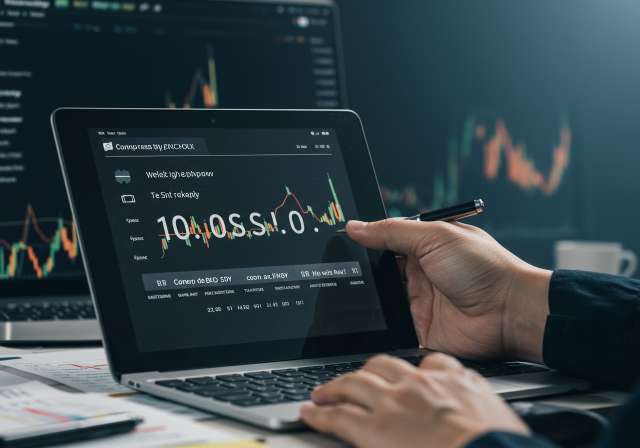
Unlock the world of commodity markets with ease! Discover the best commodity trading apps in India for futures, gold, silver & more. Start trading smarter today
Unlock the world of commodity markets with ease! Discover the best commodity trading apps in India for futures, gold, silver & more. Start trading smarter today!
Best Commodity Trading Apps in India: A Detailed Guide
Introduction: Navigating the World of Commodity Trading
The Indian commodity market offers a diverse range of opportunities for investors looking to diversify their portfolios and potentially profit from price fluctuations in raw materials. From precious metals like gold and silver to agricultural products like wheat and soybeans, the possibilities are vast. However, accessing these markets can seem daunting, especially for beginners. This is where commodity trading apps come into play.
These apps provide a user-friendly interface to buy, sell, and track commodity prices in real-time, all from the convenience of your smartphone. They simplify the complexities of the commodity market, making it accessible to a wider audience. But with so many options available, how do you choose the right one? This comprehensive guide will walk you through the key considerations and highlight some of the top commodity trading apps in India.
Understanding Commodity Trading in India
Before diving into the apps themselves, it’s crucial to understand the basics of commodity trading in the Indian context. Commodity trading primarily takes place on exchanges like the Multi Commodity Exchange (MCX) and the National Commodity and Derivatives Exchange (NCDEX). These exchanges provide a platform for trading futures contracts, which are agreements to buy or sell a specific commodity at a predetermined price and date in the future.
Key aspects of commodity trading include:
- Futures Contracts: As mentioned, these are standardized agreements to buy or sell a commodity at a future date.
- Margin Money: You don’t need to pay the full value of the contract upfront. Instead, you pay a margin, which is a percentage of the contract value. This allows for leveraged trading, meaning you can control a larger position with a smaller amount of capital. However, it also amplifies both potential profits and losses.
- Lot Size: Each commodity contract has a specific lot size, which is the minimum quantity you can trade.
- Price Fluctuations: Commodity prices are influenced by a variety of factors, including supply and demand, economic conditions, geopolitical events, and weather patterns.
Key Features to Look for in a commodity trading app
When choosing a commodity trading app, several factors should be considered to ensure a seamless and profitable trading experience:
- User-Friendly Interface: The app should be intuitive and easy to navigate, even for beginners. Clear charts, simple order placement, and readily available information are essential.
- Real-Time Data and Charts: Access to real-time price data, charts, and technical analysis tools is crucial for making informed trading decisions. The app should offer customizable charts with various indicators.
- Order Types: The app should support various order types, such as market orders, limit orders, stop-loss orders, and bracket orders, allowing you to manage your risk effectively.
- Research and Analysis: Some apps provide research reports, market news, and expert analysis to help you understand market trends and identify potential trading opportunities.
- Security: Security is paramount. Ensure the app has robust security measures to protect your account and personal information. Look for features like two-factor authentication and data encryption.
- Customer Support: Reliable customer support is essential in case you encounter any issues or have questions. The app should offer multiple channels for support, such as phone, email, and chat.
- Brokerage Charges: Compare the brokerage charges and other fees charged by different apps. Look for transparent pricing and avoid hidden costs. Many brokers now offer discounted or zero-brokerage plans, especially for online trading.
- Fund Transfer: The app should offer seamless and secure fund transfer options, allowing you to deposit and withdraw funds easily. Integration with UPI, net banking, and other popular payment methods is a plus.
- Demo Account: A demo account allows you to practice trading without risking real money. This is a great way to familiarize yourself with the app and test your trading strategies.
Popular Commodity Trading Apps in India
While I cannot provide specific recommendations due to financial regulations and the constantly evolving app landscape, I can outline the types of apps that are popular and the companies that typically offer these services. It’s crucial to do your own research and choose an app that suits your individual needs and risk tolerance. Always check the latest user reviews and regulatory compliance of the service provider.
Generally, these apps fall into two main categories:
- Discount Broker Apps: These apps are offered by discount brokers that focus on providing low-cost trading services. They typically offer a wide range of investment options, including commodities, equities, and derivatives. Examples include apps from brokers registered with SEBI who advertise themselves as “discount brokers”.
- Full-Service Broker Apps: These apps are offered by full-service brokers that provide a wider range of services, including research, advisory, and personalized support. They often charge higher brokerage fees but offer more comprehensive assistance. Examples include apps from brokers known for their extensive research and advisory services.
Here are some key players in the Indian brokerage market who often have well-regarded commodity trading apps. Consider researching their apps to see if they meet your needs:
- Zerodha: Known for its discount brokerage model and user-friendly platform, Kite.
- Upstox: Another popular discount broker offering a mobile trading app with a focus on ease of use.
- Angel One: A well-established brokerage firm with a trading app that provides access to a variety of investment options.
- Groww: A platform popular for its user-friendly interface and simplified investment process, including commodity trading.
- 5paisa: Known for its ultra-low brokerage rates and a range of investment options.
Remember to compare the features, brokerage charges, and user reviews of different apps before making a decision.
Risk Management in Commodity Trading
Commodity trading can be highly rewarding, but it also involves significant risks. It’s crucial to implement effective risk management strategies to protect your capital. Here are some key risk management techniques:
- Set Stop-Loss Orders: A stop-loss order automatically closes your position when the price reaches a predetermined level, limiting your potential losses.
- Diversify Your Portfolio: Don’t put all your eggs in one basket. Diversify your investments across different commodities and asset classes to reduce your overall risk.
- Use Leverage Wisely: Leverage can amplify your profits, but it can also amplify your losses. Use leverage cautiously and avoid over-leveraging your account.
- Stay Informed: Keep abreast of market news, economic data, and geopolitical events that could impact commodity prices.
- Start Small: Begin with small positions and gradually increase your trading size as you gain experience and confidence.
- Understand Margin Calls: Be aware of margin call requirements and ensure you have sufficient funds in your account to cover potential losses.
Tax Implications of Commodity Trading in India
Profits from commodity trading are subject to taxation in India. The tax treatment depends on whether you are trading as a business or as an investor.
- Trading as a Business: If you are actively engaged in commodity trading with the intention of making a profit, your profits will be treated as business income and taxed according to your applicable income tax slab.
- Trading as an Investor: If you are trading commodities as an investment, your profits will be treated as capital gains. Short-term capital gains (held for less than 36 months) are taxed at your applicable income tax slab, while long-term capital gains (held for 36 months or more) are taxed at a concessional rate with indexation benefits.
It is advisable to consult with a tax professional to understand the specific tax implications of your commodity trading activities.
The Role of SEBI in Regulating Commodity Markets
The Securities and Exchange Board of India (SEBI) is the regulatory authority for the Indian securities and commodity markets. SEBI’s role is to protect the interests of investors and ensure fair and transparent trading practices. SEBI regulates commodity exchanges, brokers, and other market participants. It also sets rules and regulations for trading, clearing, and settlement of commodity contracts. Before choosing a broker, confirm they are registered with SEBI.
Commodity Trading vs. Other Investment Options
Commodity trading offers a unique set of opportunities and risks compared to other investment options like equity markets, mutual funds, and fixed income instruments. While equity markets are primarily driven by company performance and economic growth, commodity markets are influenced by supply and demand dynamics, weather patterns, and geopolitical events. Mutual funds offer diversification and professional management, while fixed income instruments provide relatively stable returns. Each investment option has its own advantages and disadvantages, and the choice depends on your individual investment goals, risk tolerance, and time horizon. Diversifying across different asset classes, including commodities, can help reduce your overall portfolio risk.
Alternative Investments in India: Beyond Equities and Fixed Income
While traditional investments like equities, debt and mutual funds are popular in India, there’s a growing interest in alternative investment options. These include investments like real estate, private equity, venture capital, and of course, commodities. Each of these comes with its own risk-reward profile and may be suitable for investors with different risk appetites and investment goals. Commodities, as we’ve discussed, can act as a hedge against inflation and offer diversification benefits.
SIPs in Commodities: A Possible Avenue?
While not as straightforward as SIPs in equity mutual funds, the concept of systematic investing in commodities is gaining traction. Instead of buying commodities outright, investors can use a similar approach by investing a fixed amount regularly in commodity-related instruments such as commodity ETFs (Exchange Traded Funds) or by taking small, incremental positions in futures contracts. However, this requires a good understanding of commodity markets and active management to roll over futures contracts periodically. Consult with a financial advisor before considering such a strategy.
Conclusion: Embracing the Opportunities of Commodity Trading
Commodity trading can be a rewarding avenue for investors seeking diversification and potential profits. However, it requires careful planning, thorough research, and a disciplined approach to risk management. By choosing the right commodity trading app and understanding the intricacies of the market, you can unlock the opportunities that commodity trading offers. Remember to stay informed, manage your risk effectively, and consult with a financial advisor if needed. Good luck!



Leave a Reply