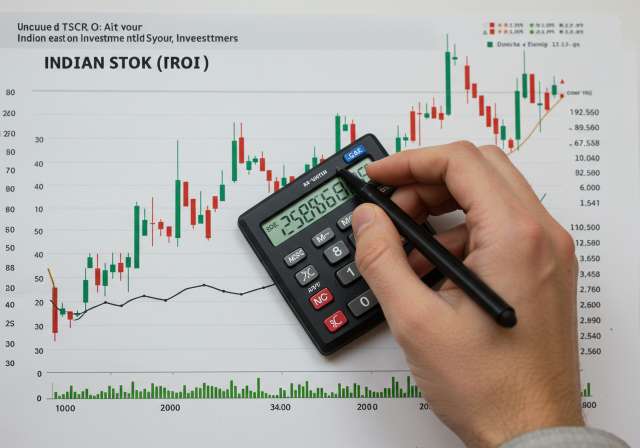

Unlock crypto futures trading potential! Learn how to estimate ROI & profits using our crypto futures calculator. Maximize your gains on NSE/BSE-listed crypto a
Unlock crypto futures trading potential! Learn how to estimate ROI & profits using our crypto futures calculator. Maximize your gains on NSE/BSE-listed crypto assets. Invest wisely!
Crypto Futures Calculator: Maximizing ROI & Profits in India
Understanding Crypto Futures in the Indian Context
The world of cryptocurrency is rapidly evolving, and with it, so are the ways in which investors can participate in this exciting market. While direct ownership of cryptocurrencies remains a popular approach, futures contracts offer a sophisticated alternative, allowing traders to speculate on the future price of these digital assets without actually holding them. In India, while direct crypto trading faces regulatory hurdles, innovative instruments like crypto ETFs mirroring global benchmarks and compliant futures contracts (potentially linked to indices tracked by NSE or BSE) are emerging, making it crucial for Indian investors to understand these complex tools.
Futures contracts are agreements to buy or sell an asset at a predetermined price and date in the future. They are leveraged instruments, meaning that you only need to put up a fraction of the total contract value as margin. This leverage can amplify both profits and losses, making it essential to approach futures trading with caution and a well-defined strategy. For Indian investors accustomed to equity markets and instruments like SIPs, ELSS, and PPF, understanding the nuances of futures trading is crucial before venturing into this arena.
Why Use a Crypto Futures Calculator?
Trading crypto futures without a clear understanding of potential returns and risks is akin to navigating the stock market without analyzing financial statements. A crypto futures calculator is an invaluable tool for any aspiring crypto futures trader. It allows you to simulate different trading scenarios, estimate potential profits and losses, and assess the impact of leverage on your portfolio.
Specifically, a well-designed calculator can help you:
- Determine Potential ROI: Estimate the return on investment based on your entry and exit prices.
- Manage Risk: Understand the potential downside and the amount you could lose if the market moves against you.
- Optimize Leverage: Experiment with different leverage levels to find the optimal balance between risk and reward.
- Plan Your Trades: Develop a more informed trading strategy based on data-driven insights.
- Compare Scenarios: Easily compare the potential outcomes of different trades with varying parameters.
Imagine you’re considering trading Bitcoin futures, perhaps through a regulated platform that aligns with SEBI guidelines in the future. Before you commit any capital, a futures calculator lets you explore “what if” scenarios. What if Bitcoin’s price increases by 5%? What if it drops by 3%? How does your chosen leverage affect your potential profit or loss? By answering these questions beforehand, you can make more confident and rational trading decisions.
Key Inputs for a Crypto Futures Calculator
To effectively use a crypto futures calculator, you’ll need to understand the key inputs that drive its calculations. These typically include:
Contract Details
- Cryptocurrency: The specific cryptocurrency you’re trading (e.g., Bitcoin, Ethereum).
- Contract Size: The amount of cryptocurrency represented by one futures contract.
- Contract Expiry Date: The date on which the contract expires and must be settled.
Trade Parameters
- Entry Price: The price at which you enter the futures contract.
- Exit Price: The price at which you exit the futures contract.
- Leverage: The ratio of borrowed capital to your own capital (e.g., 5x, 10x, 20x).
- Quantity: The number of contracts you’re trading.
Costs and Fees
- Trading Fees: The fees charged by the exchange for opening and closing the position.
- Funding Rate: A periodic payment either paid or received depending on the difference between the price of the perpetual futures contract and the underlying spot price. This is particularly relevant for perpetual futures.
Understanding the Calculations
The underlying calculations of a crypto futures calculator are relatively straightforward, but it’s essential to understand the logic behind them.
Profit/Loss Calculation
The basic formula for calculating profit or loss is:
Profit/Loss = (Exit Price – Entry Price) Contract Size Quantity
A positive result indicates a profit, while a negative result indicates a loss.
Leverage Multiplier
Leverage multiplies both your potential profits and potential losses. A leverage of 10x means that a 1% price movement in the underlying asset will result in a 10% change in your profit or loss.
Margin Requirement
Margin is the amount of capital you need to deposit to open a leveraged position. It’s typically expressed as a percentage of the total contract value. For example, a 5% margin requirement means you need to deposit 5% of the contract value to open the position.
ROI Calculation
Return on Investment (ROI) is calculated as:
ROI = (Profit/Loss / Initial Margin) 100
This gives you the percentage return on your initial investment.
Example Scenario: Using a Crypto Futures Calculator
Let’s say you want to trade Bitcoin futures with the following parameters:
- Cryptocurrency: Bitcoin (BTC)
- Contract Size: 1 BTC
- Entry Price: ₹50,00,000
- Exit Price: ₹52,00,000
- Leverage: 5x
- Quantity: 1 contract
- Trading Fees: ₹500
Using a crypto futures calculator, the calculations would be as follows:
- Profit/Loss: (₹52,00,000 – ₹50,00,000) 1 1 = ₹2,00,000
- Initial Margin: ₹50,00,000 / 5 = ₹10,00,000
- Net Profit (After Fees): ₹2,00,000 – ₹500 = ₹1,99,500
- ROI: (₹1,99,500 / ₹10,00,000) 100 = 19.95%
This example shows that with a 5x leverage and a ₹2,00,000 price increase in Bitcoin, you could potentially earn a 19.95% return on your initial margin. However, remember that if Bitcoin’s price had decreased, you would have suffered a significant loss.
The Importance of Risk Management
Leverage is a double-edged sword. While it can amplify your profits, it can also magnify your losses. Effective risk management is paramount when trading crypto futures.
Here are some key risk management strategies:
- Stop-Loss Orders: Set stop-loss orders to automatically exit a trade if the price moves against you beyond a certain threshold.
- Position Sizing: Limit the size of your positions to a small percentage of your total capital. A common rule of thumb is to risk no more than 1-2% of your capital on any single trade.
- Diversification: Don’t put all your eggs in one basket. Diversify your portfolio across different cryptocurrencies and asset classes.
- Hedging: Consider using hedging strategies to protect your portfolio from adverse price movements.
- Stay Informed: Keep up-to-date with the latest news and developments in the cryptocurrency market.
For Indian investors familiar with the disciplined approach required for investments in instruments like PPF and NPS, applying a similar level of rigor to crypto futures trading is essential. A diversified portfolio, incorporating traditional assets alongside carefully considered crypto futures positions (if deemed suitable based on risk tolerance and financial goals), is a prudent approach.
Future of Crypto Futures in India
The regulatory landscape surrounding cryptocurrencies in India is constantly evolving. While direct crypto trading faces uncertainties, there is growing interest in regulated and compliant crypto products, such as ETFs and potentially futures contracts linked to crypto indices. SEBI’s role in regulating and overseeing these instruments will be crucial in fostering a safe and transparent trading environment. As the market matures, we can expect to see more sophisticated trading tools and platforms become available to Indian investors, further empowering them to participate in the crypto market responsibly.
Conclusion
Trading crypto futures can be a potentially lucrative endeavor, but it’s not without its risks. A crypto futures calculator is an essential tool for understanding the potential ROI and risks involved. By using a calculator, understanding the key inputs, and implementing robust risk management strategies, you can increase your chances of success in the dynamic world of crypto futures trading. Remember to stay informed about the regulatory environment in India and only invest what you can afford to lose. Just as with any investment in the equity markets or other asset classes, thorough research and a well-defined strategy are crucial for achieving your financial goals.



Leave a Reply