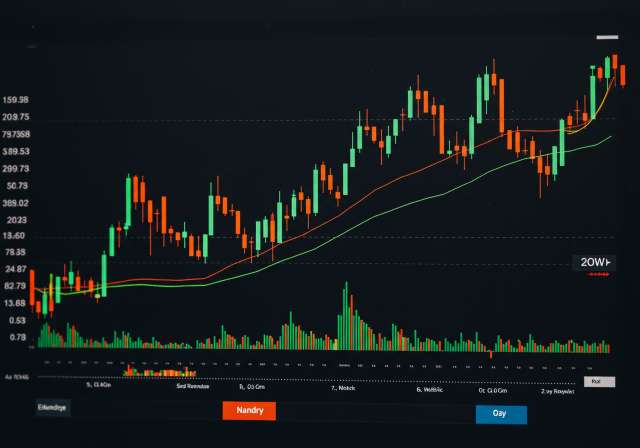

Dreaming of financial freedom? Learn how to make crores in years with smart investment strategies. Discover the power of compounding, SIPs, mutual funds, real e
Dreaming of financial freedom? Learn how to make crores in years with smart investment strategies. Discover the power of compounding, SIPs, mutual funds, real estate, and more. Start your journey to wealth creation today!
Crafting Your Crore: A Comprehensive Guide to Wealth Building in India
Introduction: The Crore Dream and the Indian Investor
For many Indians, reaching the coveted “crore” mark (₹1 crore, or ten million rupees) represents a significant milestone in their financial journey. It signifies financial security, the ability to pursue passions, and the peace of mind that comes with substantial wealth. But building such a substantial corpus requires a strategic approach, disciplined savings, and informed investment decisions. This guide delves into the key strategies and instruments that can help you navigate the path to achieving your crore goal, specifically tailored for the Indian investor.
Understanding the Power of Compounding
Albert Einstein famously called compound interest the “eighth wonder of the world.” In the realm of investing, compounding refers to the process of earning returns not only on your initial investment but also on the accumulated interest or gains. This snowball effect is crucial for long-term wealth creation and is the engine that drives your investments toward that crore target.
Consider this: if you invest ₹10,000 today and earn a 10% return, you’ll have ₹11,000 next year. The following year, you’ll earn 10% on ₹11,000, resulting in ₹12,100. This accelerated growth is the power of compounding in action. The longer your investment horizon, the more significant the impact of compounding becomes.
Strategic Investment Avenues for Crore-Building
Several investment options are available to Indian investors, each with its own risk-return profile. A well-diversified portfolio that combines different asset classes can help you optimize returns while managing risk effectively.
Equity Markets: Riding the Growth Wave
The equity market, encompassing stocks listed on the NSE (National Stock Exchange) and BSE (Bombay Stock Exchange), offers the potential for high returns. However, it also comes with inherent volatility. Investing in equities requires careful research, a long-term perspective, and a willingness to weather market fluctuations.
Direct Equity: Investing directly in individual stocks allows you to choose companies you believe in and potentially outperform the market. However, it requires significant time, knowledge, and expertise in financial analysis. It’s advisable to start with a small portion of your portfolio and gradually increase your exposure as you gain experience.
Mutual Funds: Mutual funds pool money from multiple investors and invest in a diversified portfolio of stocks, bonds, or other assets. They are managed by professional fund managers, making them a convenient option for investors who lack the time or expertise to manage their investments directly.
Equity Mutual Funds: These funds invest primarily in stocks and offer the potential for high growth. Different categories of equity funds cater to various risk appetites, such as large-cap, mid-cap, small-cap, and multi-cap funds. Index Funds: These funds passively track a specific market index, such as the Nifty 50 or Sensex, offering diversification at a low cost. ELSS (Equity Linked Savings Scheme): These are tax-saving equity mutual funds that qualify for deductions under Section 80C of the Income Tax Act. They come with a lock-in period of 3 years.
Systematic Investment Plans (SIPs): Disciplined Investing for the Long Haul
A Systematic Investment Plan (SIP) allows you to invest a fixed amount of money in a mutual fund at regular intervals, such as monthly or quarterly. SIPs offer several advantages:
Rupee Cost Averaging: SIPs help you average out your purchase price over time, reducing the impact of market volatility. When prices are low, you buy more units, and when prices are high, you buy fewer units. Disciplined Investing: SIPs instill a habit of regular savings and investment, which is crucial for long-term wealth creation. Accessibility: SIPs can be started with relatively small amounts, making them accessible to a wide range of investors.
Debt Instruments: Stability and Income Generation
Debt instruments, such as bonds, fixed deposits (FDs), and government securities, offer lower returns than equities but provide greater stability and income generation. They are an essential component of a well-diversified portfolio, providing a cushion against market volatility.
Fixed Deposits (FDs): Offered by banks and financial institutions, FDs provide a fixed rate of interest for a specific period. They are a relatively safe investment option but may not keep pace with inflation in the long run. Public Provident Fund (PPF): A government-backed savings scheme that offers tax benefits and a guaranteed rate of return. It has a lock-in period of 15 years and is a popular option for long-term savings. National Pension System (NPS): A retirement savings scheme that allows you to invest in a mix of equity, debt, and government securities. It offers tax benefits and is a good option for building a retirement corpus. Corporate Bonds: Debt instruments issued by companies to raise capital. They typically offer higher returns than government bonds but also carry a higher risk of default.
Real Estate: Tangible Assets and Potential Appreciation
Investing in real estate can be a lucrative option for long-term wealth creation. Property values tend to appreciate over time, and rental income can provide a steady stream of cash flow. However, real estate investments require significant capital and involve higher transaction costs and maintenance expenses.
Consider factors such as location, infrastructure, and future development potential before investing in real estate. Also, be aware of the illiquidity of real estate investments; it may take time to sell a property when you need funds.
Alternative Investments: Exploring Niche Opportunities
Alternative investments, such as gold, commodities, and venture capital, can provide diversification and potentially higher returns. However, they also carry higher risks and require specialized knowledge.
Gold: Gold is often considered a safe haven asset and can provide a hedge against inflation and economic uncertainty. You can invest in gold through physical gold, gold ETFs (Exchange Traded Funds), or gold mutual funds. Commodities: Commodities, such as oil, agricultural products, and metals, can offer diversification and potential inflation protection.
Crafting Your Personalized Investment Strategy
The key to building a crore is to create a personalized investment strategy that aligns with your financial goals, risk tolerance, and time horizon. Consider the following factors when developing your strategy:
Financial Goals: What are you saving for? Retirement, a down payment on a house, your children’s education? Your financial goals will determine the amount you need to save and the timeframe for achieving your goals. Risk Tolerance: How comfortable are you with the possibility of losing money? If you are risk-averse, you may prefer a more conservative portfolio with a higher allocation to debt instruments. If you are comfortable with taking risks, you may allocate a larger portion of your portfolio to equities. Time Horizon: How long do you have to reach your financial goals? If you have a long time horizon, you can afford to take on more risk and invest in assets with higher growth potential. If you have a shorter time horizon, you may need to focus on preserving capital and generating income. Current Financial Situation: Assess your current income, expenses, assets, and liabilities. This will help you determine how much you can realistically save and invest each month.
The Role of SEBI (Securities and Exchange Board of India)
SEBI, the regulatory body for the securities market in India, plays a crucial role in protecting investor interests and ensuring the integrity of the market. It regulates stock exchanges, mutual funds, and other market participants. SEBI’s regulations help to prevent fraud, insider trading, and other malpractices, providing investors with a level playing field.
Regular Monitoring and Rebalancing
Your investment strategy is not set in stone. It’s important to regularly monitor your portfolio’s performance and make adjustments as needed. Market conditions change, your financial goals may evolve, and your risk tolerance may shift over time. Periodically rebalancing your portfolio to maintain your desired asset allocation is also essential.
Tax Planning: Maximizing Your Returns
Taxes can significantly impact your investment returns. Understanding the tax implications of different investment options and utilizing tax-saving instruments can help you maximize your after-tax returns.
Section 80C: Allows deductions for investments in certain instruments, such as PPF, ELSS, and life insurance premiums, up to a limit of ₹1.5 lakh per year. Capital Gains Tax: Tax levied on profits from the sale of capital assets, such as stocks and real estate. The tax rate depends on the holding period and the type of asset.
The Long Game: Patience and Perseverance
Building a crore is a marathon, not a sprint. It requires patience, discipline, and a long-term perspective. There will be ups and downs along the way, but the key is to stay focused on your goals and avoid making impulsive decisions based on short-term market fluctuations. Understanding the principles of long-term investing will help you achieve your financial goals. Learning how to make crores in years requires a well-thought-out strategy and commitment.
Conclusion: Embarking on Your Wealth-Building Journey
Achieving the crore dream is within reach for many Indian investors who are willing to put in the effort and adopt a strategic approach. By understanding the power of compounding, diversifying your investments, utilizing SIPs, and staying disciplined, you can significantly increase your chances of building a substantial corpus and achieving your financial goals. Remember to seek professional advice from a financial advisor if needed and start your wealth-building journey today. With consistent effort and informed decisions, you can pave the way for a financially secure and fulfilling future.



Leave a Reply