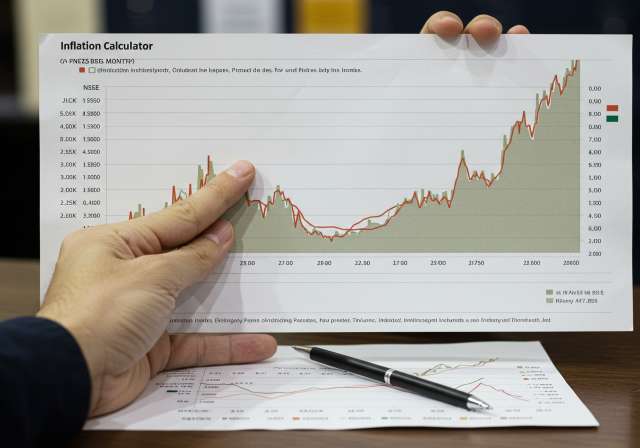
Explore how technology revolutionizes stock trading in India! From algorithmic trading to AI-powered analysis, discover the role of technology in modern stock t
Explore how technology revolutionizes stock trading in India! From algorithmic trading to AI-powered analysis, discover the Role of technology in modern stock trading, impacting retail investors & the NSE/BSE. Learn about online brokers, mobile apps, and the future of the Indian equity market.
Tech’s Transformation: Modern Stock Trading in the Indian Market
Introduction: The Digital Revolution in Indian Stock Trading
The Indian stock market, once a realm largely confined to seasoned brokers and physical trading floors, has undergone a dramatic transformation, thanks to the relentless march of technology. Today, even novice investors can participate in the equity markets with ease, managing their portfolios from the comfort of their homes via smartphones and computers. This shift is not merely a matter of convenience; it represents a fundamental reshaping of the entire trading landscape, influencing everything from market efficiency to investor behavior.
From the introduction of online trading platforms to the rise of sophisticated algorithmic trading strategies, technology has democratized access to the stock market, empowering retail investors and fostering greater participation. This article delves into the multifaceted impact of technology on modern stock trading in India, exploring the various innovations that are driving this evolution and their implications for investors and the market as a whole.
The Rise of Online Trading Platforms: Accessibility and Convenience
Perhaps the most significant contribution of technology to stock trading has been the proliferation of online trading platforms. These platforms, offered by brokers like Zerodha, Upstox, and Groww, have made it incredibly easy for anyone with a Demat account and internet access to buy and sell stocks listed on the NSE (National Stock Exchange) and BSE (Bombay Stock Exchange).
- Accessibility: Online platforms have drastically reduced the barriers to entry for new investors. No longer is it necessary to visit a broker’s office or make phone calls to place orders.
- Convenience: Trading can be done anytime, anywhere, through desktop applications or mobile apps. This 24/7 access allows investors to react quickly to market movements and manage their portfolios on the go.
- Lower Costs: Online brokers typically charge significantly lower brokerage fees compared to traditional brokers, making trading more affordable, especially for frequent traders. Many offer discount brokerage services.
- Real-time Data: Investors have access to real-time market data, including stock prices, charts, and news, enabling them to make informed decisions.
This increased accessibility has led to a surge in retail investor participation in the Indian stock market, particularly among millennials and Gen Z. More and more individuals are now investing in equity markets, mutual funds (including SIPs and ELSS for tax saving) and other investment products, fostering a vibrant and dynamic investment culture.
Algorithmic Trading: Speed and Efficiency
Algorithmic trading, also known as high-frequency trading (HFT), involves the use of computer programs to automatically execute trades based on pre-defined rules and strategies. This technology has revolutionized institutional trading and is increasingly being adopted by sophisticated retail investors.
- Speed and Efficiency: Algorithms can execute trades in milliseconds, allowing traders to capitalize on fleeting market opportunities.
- Reduced Emotional Bias: Algorithmic trading eliminates emotional decision-making, leading to more disciplined and consistent trading strategies.
- Backtesting: Algorithms can be backtested on historical data to evaluate their performance and optimize their parameters.
- Market Making: Algorithmic trading can be used to provide liquidity to the market by placing buy and sell orders continuously.
However, it’s important to note that algorithmic trading is a complex field that requires a deep understanding of financial markets and programming. Retail investors should exercise caution and thoroughly research algorithmic trading strategies before implementing them.
The rise of algorithmic trading also presents challenges for regulators like SEBI (Securities and Exchange Board of India), who must ensure that these systems are fair, transparent, and do not manipulate the market.
Data Analytics and AI: Informed Decision-Making
Technology has also enabled the collection and analysis of vast amounts of market data, providing investors with valuable insights that can inform their trading decisions. Data analytics and artificial intelligence (AI) are playing an increasingly important role in identifying trends, predicting market movements, and assessing risk.
- Sentiment Analysis: AI algorithms can analyze news articles, social media posts, and other sources of information to gauge market sentiment and identify potential investment opportunities.
- Predictive Analytics: Machine learning models can be trained on historical data to predict future stock prices and market trends.
- Risk Management: AI can be used to identify and manage risk by analyzing portfolio performance and identifying potential vulnerabilities.
- Personalized Recommendations: Some online brokers use AI to provide personalized investment recommendations based on an individual’s risk tolerance, investment goals, and financial situation.
While these tools can be valuable assets for investors, it’s crucial to remember that no predictive model is perfect. Investors should always exercise their own judgment and conduct thorough research before making any investment decisions. The reliability of data also remains key and any bias can skew results.
Mobile Trading Apps: Stock Market in Your Pocket
The proliferation of smartphones has further democratized stock trading through mobile apps. These apps, offered by online brokers and financial institutions, allow investors to manage their portfolios, track market movements, and execute trades from anywhere with an internet connection.
- Convenience: Mobile trading apps provide unparalleled convenience, allowing investors to trade on the go, whether they are commuting to work or traveling abroad.
- Real-time Updates: These apps provide real-time market data and price alerts, keeping investors informed of market developments.
- User-Friendly Interface: Mobile trading apps are designed with user-friendliness in mind, making it easy for even novice investors to navigate the market.
- Portfolio Tracking: Investors can easily track the performance of their portfolios through mobile apps.
The ease of use and accessibility of mobile trading apps have contributed significantly to the surge in retail investor participation in the Indian stock market. Many individuals now view investing as a convenient and accessible activity, rather than a complex and daunting task.
The Democratization of Investment Knowledge
Technology has also played a crucial role in democratizing investment knowledge. Online resources, such as financial news websites, investment blogs, and educational videos, provide investors with a wealth of information to help them make informed decisions. Several free resources are now readily available.
- Access to Information: Investors can easily access a vast amount of information about companies, industries, and investment strategies online.
- Financial Education: Online courses and tutorials provide investors with the knowledge and skills they need to navigate the stock market successfully.
- Online Communities: Online forums and social media groups provide investors with a platform to share ideas, ask questions, and learn from each other.
This increased access to information has empowered investors to take control of their financial futures and make informed investment decisions. However, it’s important to be discerning about the sources of information you rely on and to be aware of potential biases.
The Future of Stock Trading: Emerging Technologies
The impact of technology on stock trading is only set to increase in the future, with emerging technologies promising to further transform the industry. Some of the key trends to watch include:
- Blockchain Technology: Blockchain technology has the potential to revolutionize the way stocks are traded by streamlining the clearing and settlement process, reducing costs, and increasing transparency.
- Artificial Intelligence: AI will continue to play an increasingly important role in stock trading, with algorithms becoming more sophisticated and capable of analyzing vast amounts of data to identify investment opportunities and manage risk.
- Quantum Computing: Quantum computing, while still in its early stages of development, has the potential to revolutionize financial modeling and risk management.
Conclusion: Embracing Technology for Financial Success
Technology has fundamentally transformed stock trading in India, making it more accessible, convenient, and efficient. From online trading platforms and algorithmic trading to data analytics and mobile apps, technology has empowered investors to take control of their financial futures. While it is important to be aware of the risks and challenges associated with these technologies, embracing them wisely can lead to greater financial success. Investors should prioritize financial literacy and continuously adapt to the evolving technological landscape to navigate the Indian equity market effectively. Exploring options like mutual funds, SIPs, ELSS, PPF and NPS in conjunction with technology advancements will create a well-rounded investment portfolio.



Leave a Reply