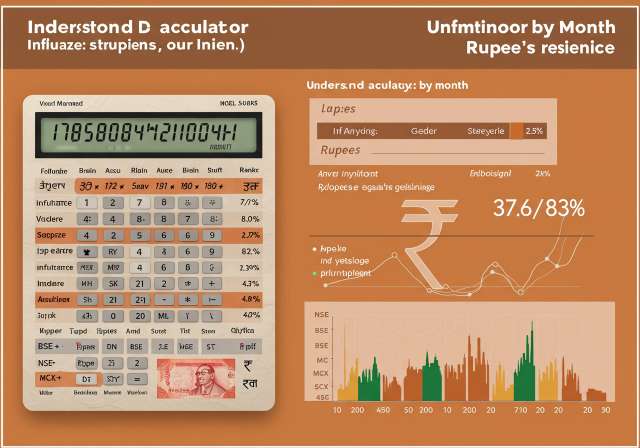

Visualize your SIP journey! Explore our SIP Returns Chart & understand how consistent investments in Mutual Funds, ELSS, & Equity can build wealth. Learn about
Visualize your SIP journey! Explore our sip returns chart & understand how consistent investments in Mutual Funds, ELSS, & Equity can build wealth. Learn about CAGR, risk & maximize your returns in INR.
SIP Returns Chart: See Your Investments Grow in India
Understanding Systematic Investment Plans (SIPs) in India
Systematic Investment Plans, or SIPs, have become a cornerstone of investment strategies for many Indians. They offer a disciplined approach to investing, allowing individuals to invest a fixed amount of money at regular intervals (usually monthly) in mutual funds, exchange-traded funds (ETFs), or even direct equities. This method helps to average out the cost of investment, mitigating the risk associated with market volatility – a concept known as Rupee Cost Averaging. The power of compounding further enhances the returns over time, making SIPs an attractive option for long-term wealth creation.
Think of it like this: Instead of trying to time the market, hoping to buy low and sell high (which is notoriously difficult), you’re consistently buying units of your chosen investment. When the market dips, your fixed investment buys more units. When the market rises, your existing units gain value. Over the long run, this consistent approach can smooth out the investment journey and potentially deliver substantial returns.
Why are SIPs so popular in India?
- Accessibility: SIPs make investing accessible to a wider range of people, even with limited capital. You can start with as little as ₹500 per month in some cases.
- Convenience: Setting up a SIP is easy and convenient, often done online through your brokerage account or directly with the mutual fund house.
- Discipline: SIPs enforce financial discipline, encouraging regular savings and investment habits.
- Rupee Cost Averaging: As explained above, this mitigates the impact of market volatility.
- Power of Compounding: Returns earned on your investments are reinvested, leading to exponential growth over time.
The Importance of Visualizing Your SIP Returns
While the concept of SIPs is straightforward, understanding the potential returns can be challenging. That’s where visualization tools come in. A well-constructed sip returns chart allows you to see the projected growth of your investments based on various factors like investment amount, tenure, and expected rate of return. This visualization can be incredibly motivating, helping you stay committed to your investment goals and make informed decisions along the way.
Imagine planning for your child’s higher education or your retirement. A SIP returns chart can help you estimate how much you need to invest each month to reach your financial goals. By adjusting the variables, you can experiment with different scenarios and determine the most suitable SIP strategy for your needs.
Key Elements of a SIP Returns Chart
- Investment Amount: The fixed amount you invest regularly (e.g., ₹5,000 per month).
- Tenure: The duration of the investment period (e.g., 10 years, 20 years, or more).
- Expected Rate of Return: The anticipated annual return on your investment. This is usually an estimate based on historical performance, market trends, and the risk profile of the chosen investment.
- Total Investment: The total amount of money invested over the entire tenure.
- Estimated Returns: The projected profit earned on your investment, based on the expected rate of return.
- Total Value: The sum of the total investment and the estimated returns.
Factors Affecting Your SIP Returns
Several factors can influence the actual returns you receive from your SIP investments. Understanding these factors is crucial for setting realistic expectations and making informed investment decisions.
- Market Performance: The performance of the underlying asset (e.g., equity market, debt market) significantly impacts your SIP returns. A bull market generally leads to higher returns, while a bear market can result in lower returns or even losses.
- Fund Manager Performance: In the case of mutual funds, the fund manager’s ability to select and manage investments plays a vital role in generating returns.
- Expense Ratio: Mutual funds charge an expense ratio, which is a percentage of the fund’s assets used to cover operating expenses. A lower expense ratio generally translates to higher returns for investors.
- Inflation: Inflation erodes the purchasing power of money. It’s essential to consider inflation when evaluating your SIP returns in real terms.
- Investment Horizon: SIPs are generally recommended for long-term investments. The longer your investment horizon, the greater the potential for compounding to work its magic.
Examples of Investment Options for SIPs in India
Indian investors have a wide array of investment options available for their SIPs. Here are some popular choices:
- Equity Mutual Funds: These funds invest primarily in equity stocks and offer the potential for high returns, but also come with higher risk. Different categories include large-cap, mid-cap, small-cap, and multi-cap funds.
- Debt Mutual Funds: These funds invest primarily in debt instruments like government bonds and corporate bonds. They are generally less risky than equity funds but offer lower returns.
- Hybrid Mutual Funds: These funds invest in a mix of equity and debt instruments, offering a balance between risk and return.
- ELSS (Equity Linked Savings Scheme): These are equity mutual funds that offer tax benefits under Section 80C of the Income Tax Act. They have a lock-in period of 3 years.
- NPS (National Pension System): This is a government-sponsored pension scheme that allows you to invest in a mix of equity and debt. It offers tax benefits and is designed for retirement planning.
- Direct Equity: Investing directly in stocks listed on the NSE (National Stock Exchange) or BSE (Bombay Stock Exchange) through a SIP mechanism (often offered by brokerage platforms). This carries the highest risk and requires significant research and understanding of the market.
Using Online SIP Calculators and Charts
Numerous online SIP calculators and chart generators are available to help you visualize your potential returns. These tools typically require you to input the investment amount, tenure, and expected rate of return. They then generate a chart showing the projected growth of your investment over time.
Tips for Using SIP Calculators Effectively:
- Be Realistic About Returns: Don’t assume unrealistically high returns. Base your projections on historical data and consult with a financial advisor if needed. Remember, past performance is not indicative of future results.
- Consider Inflation: Factor in inflation when evaluating your projected returns. What seems like a significant sum today might not have the same purchasing power in the future.
- Account for Taxes: Taxes can significantly impact your investment returns. Consult a tax advisor to understand the tax implications of your SIP investments.
- Experiment with Different Scenarios: Use the calculator to explore different investment amounts, tenures, and rates of return. This will help you understand the potential impact of each factor on your overall returns.
Beyond the Numbers: Qualitative Factors to Consider
While SIP returns charts provide a valuable quantitative perspective, it’s crucial to remember that investing is not solely about numbers. Several qualitative factors also play a significant role in your investment success.
- Risk Tolerance: Your comfort level with risk should guide your investment choices. If you are risk-averse, you might prefer debt or hybrid funds over equity funds.
- Financial Goals: Align your investments with your specific financial goals. Are you saving for retirement, your child’s education, or a down payment on a house?
- Investment Horizon: The longer your investment horizon, the more risk you can potentially take.
- Financial Situation: Consider your current income, expenses, and debt obligations before investing.
- Market Conditions: Stay informed about market trends and economic conditions. While you shouldn’t try to time the market, it’s important to be aware of potential risks and opportunities.
Seeking Professional Advice
Investing can be complex, and it’s often beneficial to seek professional advice from a financial advisor. A qualified advisor can help you assess your financial situation, understand your risk tolerance, and develop a customized investment strategy tailored to your needs and goals. They can also help you navigate the complexities of the Indian financial markets and make informed decisions about your SIP investments.
Remember, investing is a journey, not a destination. Be patient, stay disciplined, and continuously monitor your investments. With a well-thought-out SIP strategy and a clear understanding of your goals, you can build a secure financial future for yourself and your family.



Leave a Reply