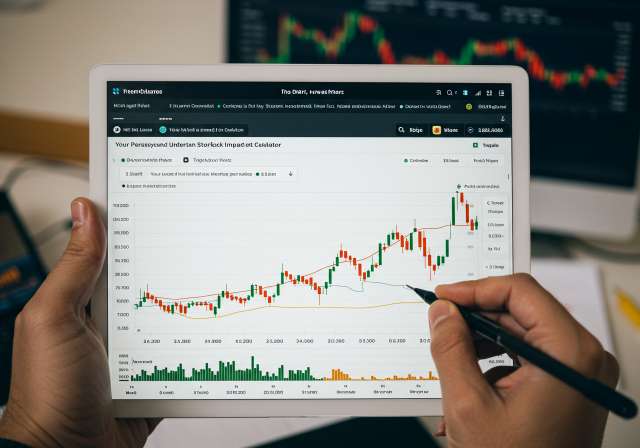
Namaste, fellow investors! With over fifteen years navigating the dynamic Indian financial markets, we’ve seen Pune transform into a buzzing economic powerhouse. From its IT corridors in Hinjewadi to the manufacturing hubs, the city’s pulse is strong, and with it, a growing appetite for smart investments. If you’re looking to step into the world of stocks, or perhaps refine your existing strategy, finding the right Stock broker in pune isn’t just a choice; it’s a foundational decision for your financial future.
Think of your stock broker not just as a transactional platform, but as a critical ally. They are your gateway to the National Stock Exchange (NSE) and the Bombay Stock Exchange (BSE), and their service quality can significantly impact your investment experience. This article will guide you through the intricacies of selecting a broker, keeping in mind the evolving regulatory landscape, the unique needs of an Indian investor, and practical advice we’ve gathered over the years.
Why Pune is a Hub for Astute Investors
Pune’s economic narrative is compelling. It’s a city that blends tradition with rapid modernization. The thriving IT and automotive sectors have created a vibrant ecosystem, attracting talent and capital. This growth translates into higher disposable incomes and, naturally, an increasing interest in wealth creation. As more Punekars seek to participate in India’s growth story, the demand for reliable and insightful financial guidance escalates. Whether you’re a seasoned professional looking to grow your wealth or a young entrepreneur planning your first investment, Pune offers a fertile ground for financial aspirations. The city’s investment landscape is as diverse as its population, necessitating a broker who understands local nuances while offering access to national opportunities.
Understanding Your Stock Broker Options
When we talk about stock brokers, it’s not a one-size-fits-all scenario. We primarily see two broad categories, each with its own advantages and considerations:
Full-Service Brokers: The Traditional Mentors
-
What they offer: These are the institutions that provide a wide array of services beyond just executing trades. We’re talking personalized advisory, in-depth research reports, wealth management, tax planning assistance, and often, access to other financial products like Mutual Funds (Direct vs. Regular), insurance, and bonds. They often have physical branches, which can be reassuring for many, especially when dealing with complex paperwork or seeking face-to-face consultations.
-
Benefits: For investors who prefer guidance, convenience, and a holistic approach to their finances, a full-service broker can be invaluable. Their research teams often provide detailed analyses, helping you make informed decisions. They might assign you a dedicated relationship manager, offering a more personalized touch.
-
Trade-offs: Naturally, this extensive service comes at a cost. Full-service brokers typically charge higher brokerage fees, which can be a percentage of your trade value. Over time, these charges can eat into your returns, especially if you’re a frequent trader. There’s also the subtle risk of advice not being entirely unbiased; sometimes, the recommended products might benefit the broker more than they benefit you. It’s crucial to scrutinize the advice and understand the underlying rationale.
Discount Brokers: The Digital Trailblazers
-
What they offer: Discount brokers, as the name suggests, focus on offering low-cost trading. Their model is typically technology-driven, relying on robust online platforms and mobile apps for trade execution. They provide minimal to no advisory services, empowering you to make your own investment decisions. They are excellent for those who are confident in their research and decision-making abilities.
-
Benefits: The primary draw here is cost-effectiveness. Brokerage fees are significantly lower, often flat per trade regardless of value, or even zero for equity delivery trades. This makes them highly attractive for active traders or those with smaller capital who want to minimize transaction costs. Their platforms are usually slick, fast, and feature-rich, offering advanced charting tools and analytical resources.
-
Trade-offs: The main sacrifice is the lack of personalized advice and research. If you’re a beginner or prefer hand-holding, a discount broker might leave you feeling adrift. Customer support, while generally efficient, might be entirely digital, lacking the human touch some investors prefer. While their platforms are powerful, technical glitches can occur, especially during peak market volatility, which can be frustrating and even costly.
A third, emerging category is the “hybrid” model, attempting to blend the cost-effectiveness of discount brokers with some advisory support. These are worth exploring if you sit somewhere in the middle of the spectrum.
Key Factors When Choosing a Stock Broker in Pune
Now that we understand the types, let’s get down to the brass tacks of selection. This is where your personal investment style, risk appetite, and future goals truly come into play.
Regulatory Compliance: Your Safety Net (SEBI & RBI, 2026 Context)
This is non-negotiable. Ensure your chosen broker is registered with the Securities and Exchange Board of India (SEBI). SEBI is our market regulator, and their stringent guidelines are designed to protect investors. Check their registration number, and look for any past disciplinary actions on the SEBI website. By 2026, we anticipate SEBI will further tighten norms around client fund segregation, data security, and grievance redressal, potentially introducing T+0 settlement cycles. A good broker will not only be compliant today but also proactively adapting to these upcoming changes, ensuring your investments remain secure and your trading experience is smooth. The Reserve Bank of India (RBI) indirectly influences the market through monetary policies and interest rate decisions, which in turn impact market liquidity and investor sentiment. A forward-thinking broker will be acutely aware of these broader economic shifts.
Cost Structure: Beyond Just Brokerage
While low brokerage is appealing, it’s crucial to look at the entire cost structure. Beyond the per-trade or percentage-based brokerage, here’s what else you need to consider:
-
Demat Account Annual Maintenance Charges (AMC): This is often a fixed annual fee.
-
Transaction Charges: Levied by exchanges (NSE/BSE).
-
Securities Transaction Tax (STT): A direct tax on all equity transactions.
-
Stamp Duty: Varies by state; essential to factor in for Pune.
-
GST: Applicable on brokerage and transaction charges.
-
Depository Participant (DP) Charges: Levied when you sell shares from your Demat account.
A seemingly low brokerage might be offset by higher hidden charges. Always ask for a detailed breakdown of all potential costs. For instance, a 0.05% brokerage on a Rs. 1 Lakh delivery trade might seem small (Rs. 50), but when you add STT, exchange transaction charges, GST, and DP charges, the total cost can easily double or triple, especially for smaller trades.



Leave a Reply