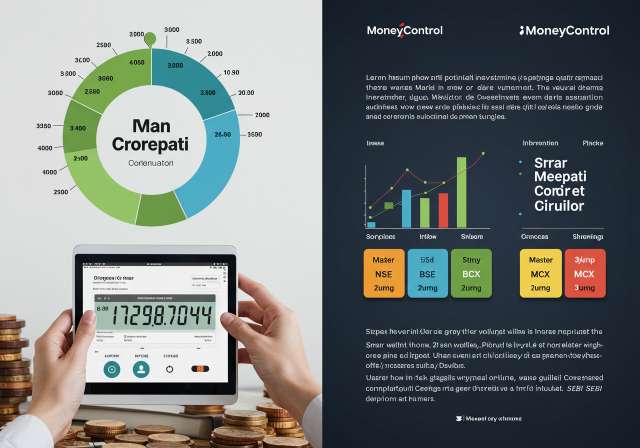

Earning a good salary is a financial goal for many. This guide explores managing a 70k per month salary effectively, covering budgeting, saving, investments, an
Earning a good salary is a financial goal for many. This guide explores managing a 70k per month salary effectively, covering budgeting, saving, investments, and tax planning in India.
Mastering Your Finances: A Guide to Managing Your Salary
Introduction: Building a Secure Financial Future
In India, securing a stable income is a significant step towards financial independence and security. Whether you’re fresh out of college or a seasoned professional, understanding how to manage your monthly earnings is crucial. This article provides a comprehensive guide to effectively handling your salary, focusing on budgeting, saving, investing, and tax planning strategies tailored for the Indian context.
Budgeting: The Foundation of Financial Success
Budgeting is the cornerstone of effective financial management. It allows you to track your income and expenses, identify areas where you can save, and allocate funds for your financial goals. Here’s a step-by-step approach to creating a budget that works for you:
Step 1: Calculate Your Net Income
Your net income is the amount you receive after taxes and other deductions like Provident Fund (PF) contributions and Employee State Insurance (ESI). This is the actual amount you have available to spend and save each month.
Step 2: Track Your Expenses
Monitor where your money is going. Categorize your expenses into fixed and variable categories:
- Fixed Expenses: These are recurring expenses that remain relatively constant each month, such as rent, EMIs (Equated Monthly Installments) for loans, insurance premiums, and school fees.
- Variable Expenses: These expenses fluctuate each month, including groceries, transportation, entertainment, dining out, and clothing.
Use budgeting apps, spreadsheets, or even a simple notebook to track your spending for a month or two to get a clear picture of your spending habits.
Step 3: Create Your Budget
Allocate your net income to different categories based on your priorities and financial goals. A common budgeting rule is the 50/30/20 rule:
- 50% for Needs: Allocate 50% of your income to essential needs such as housing, food, transportation, and utilities.
- 30% for Wants: Dedicate 30% to discretionary spending like entertainment, dining out, hobbies, and shopping.
- 20% for Savings and Debt Repayment: Allocate 20% to savings, investments, and paying off debts.
This is a guideline; adjust the percentages based on your individual circumstances and financial goals. For example, if you have significant debt, you may need to allocate a larger portion to debt repayment.
Step 4: Regularly Review and Adjust
Your budget is not set in stone. Review it regularly (at least monthly) and make adjustments as needed. Life circumstances change, and your budget should adapt accordingly. For example, if you receive a raise or have unexpected expenses, you’ll need to revise your budget.
Saving: Building Your Financial Cushion
Saving money is essential for building a financial cushion and achieving your financial goals. Consider these saving strategies:
Emergency Fund
An emergency fund should be your top priority. Aim to save at least 3-6 months’ worth of living expenses in an easily accessible account, such as a savings account or liquid fund. This fund will protect you from unexpected expenses like medical emergencies, job loss, or car repairs.
Short-Term Goals
If you have specific short-term goals, such as buying a new gadget, taking a vacation, or making a down payment on a car, set up separate savings accounts for each goal. Use recurring deposits (RDs) or liquid mutual funds to accumulate the necessary funds.
Automate Your Savings
Make saving automatic by setting up recurring transfers from your salary account to your savings accounts or investment accounts. This ensures that you consistently save a portion of your income without having to actively think about it.
Investing: Growing Your Wealth
Investing is crucial for long-term financial growth. While saving helps you accumulate funds, investing allows your money to grow over time, potentially outpacing inflation and helping you achieve your long-term financial goals. In India, there are various investment options available:
Equity Markets
Investing in the stock market can provide significant returns over the long term. You can invest directly in stocks or through mutual funds. Equity mutual funds are a popular choice for investors as they offer diversification and professional management. Consider investing through Systematic Investment Plans (SIPs), which involve investing a fixed amount regularly, such as monthly. This helps to average out your investment cost and mitigate market volatility.
Debt Investments
Debt investments are generally considered less risky than equity investments. They include:
- Fixed Deposits (FDs): These offer guaranteed returns and are a relatively safe investment option.
- Bonds: Bonds are debt instruments issued by governments or corporations. They typically offer a fixed rate of interest.
- Debt Mutual Funds: These invest in a portfolio of debt instruments, offering diversification and professional management.
Real Estate
Real estate can be a good long-term investment, but it requires a significant upfront investment and involves higher transaction costs. Consider the rental income potential and capital appreciation prospects before investing in real estate.
Other Investment Options
Other investment options available in India include:
- Gold: Gold is considered a safe haven asset and can be a good addition to your investment portfolio. You can invest in gold through physical gold, gold ETFs, or gold mutual funds.
- National Pension System (NPS): NPS is a government-sponsored pension scheme that allows you to save for retirement. It offers tax benefits and provides a regular income stream after retirement.
- Public Provident Fund (PPF): PPF is a long-term savings scheme offered by the government. It offers tax benefits and guaranteed returns.
Choosing the Right Investment Mix
The optimal investment mix depends on your risk tolerance, investment goals, and time horizon. If you have a long time horizon and a higher risk tolerance, you can allocate a larger portion of your portfolio to equity investments. If you have a shorter time horizon or a lower risk tolerance, you should allocate a larger portion to debt investments. Remember, understanding your risk appetite is key before investing a single Rupee.
Tax Planning: Minimizing Your Tax Liability
Effective tax planning can help you minimize your tax liability and maximize your savings. Here are some tax-saving strategies available in India:
Tax-Saving Investments
Invest in tax-saving instruments under Section 80C of the Income Tax Act to reduce your taxable income. Popular options include:
- Equity Linked Savings Scheme (ELSS): ELSS are equity mutual funds that offer tax benefits under Section 80C. They have a lock-in period of three years, which is the shortest among all tax-saving options.
- Public Provident Fund (PPF): PPF investments qualify for tax deductions under Section 80C. The interest earned is also tax-free.
- National Pension System (NPS): Contributions to NPS are eligible for tax deductions under Section 80C, subject to certain limits.
- Life Insurance Premiums: Premiums paid for life insurance policies are eligible for tax deductions under Section 80C.
Other Tax Deductions
Explore other tax deductions available under the Income Tax Act, such as:
- Home Loan Interest: Interest paid on home loans is eligible for tax deductions under Section 24(b).
- Medical Insurance Premiums: Premiums paid for medical insurance policies are eligible for tax deductions under Section 80D.
- Donations: Donations to eligible charitable organizations are eligible for tax deductions under Section 80G.
Tax-Efficient Investment Strategies
Consider tax-efficient investment strategies to minimize your tax liability:
- Investing in tax-free bonds: These bonds offer tax-free interest income.
- Holding investments for the long term: Long-term capital gains are taxed at a lower rate than short-term capital gains.
Managing your finances effectively when you earn 70 k per month salary requires discipline, planning, and a commitment to your financial goals. By following the budgeting, saving, investing, and tax planning strategies outlined in this guide, you can build a secure financial future and achieve your dreams.



Leave a Reply